The text on this page was automatically translated and hence may differ from the original. No rights can be derived from this translation.
At first glance, economics and sustainability often seem to conflict with each other. More agriculture means more exports, but also more nitrogen. The growth of Schiphol Airport creates jobs and international appeal, but at the same time results in high emissions. And AI? A driver of innovation, but also a significant energy consumer. At Dialogic, we conduct research on all these themes and are familiar with these dilemmas from the inside out.
Fortunately, these apparent contradictions are not the whole story. A sustainable future also means a sustainable economy. This requires more than just phasing out polluting practices - it also involves actively building new, clean, and future-proof niches within existing sectors, or even entirely new sectors. Think of the rise of electric vehicles, organic agriculture, or the thriving market of circular initiatives, such as thrift stores.
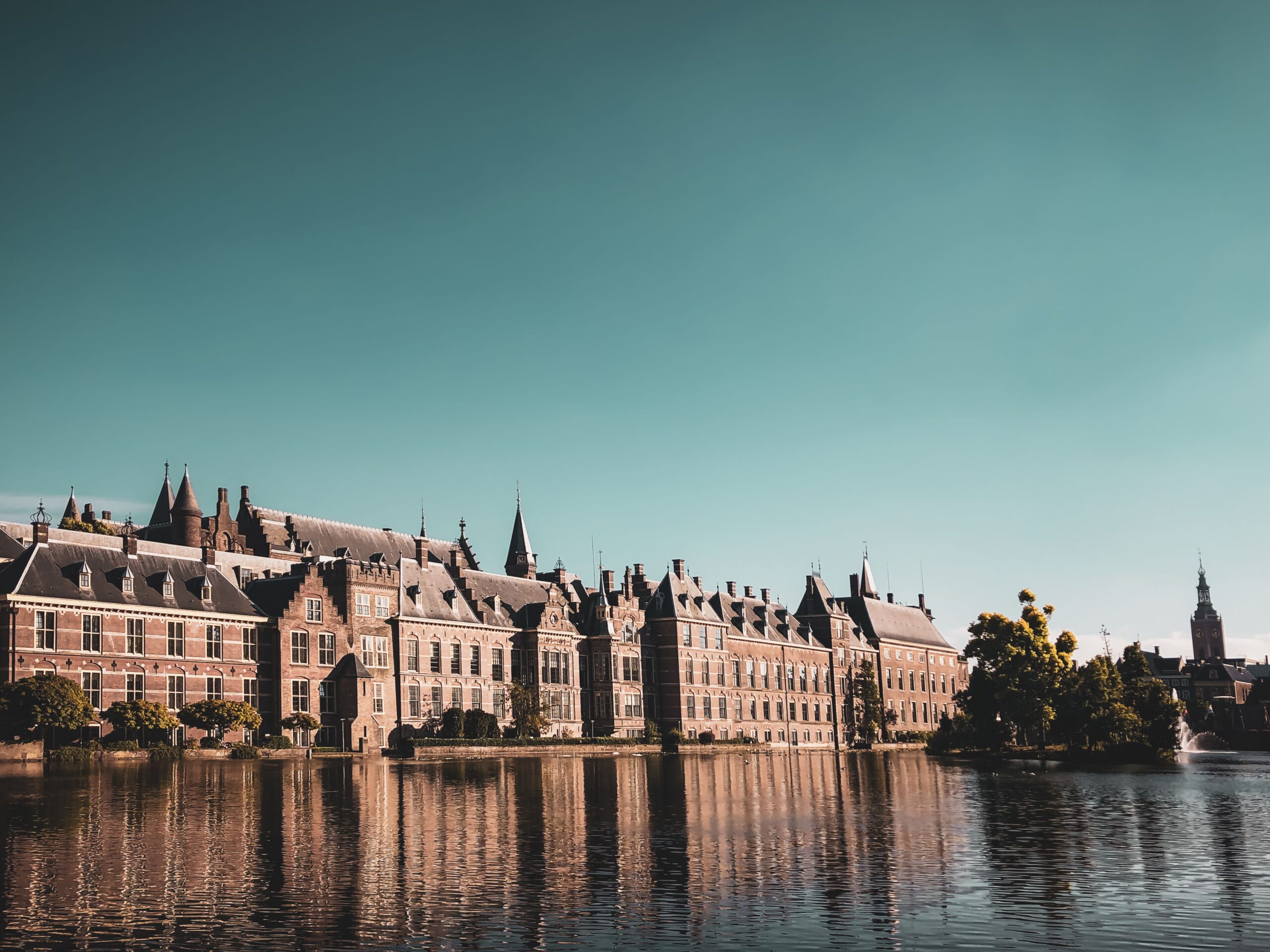
For the municipality of The Hague, we further explored opportunities and challenges for a sustainable economy. We investigated how economic and sustainability goals do not have to be in opposition, but can actually complement each other. In this process, the municipality took centre stage: what role can and does it want to play in this transition? Do they leave everything to the market? Or do they opt for an active approach aimed at stimulating certain sectors? Do they embrace the idea of mission-driven innovation, where societal challenges take precedence? Or do they even consider the path of de-growth?
This also raises the question: how do you factor in social equity? What is the right governance style in this transition? And how do you navigate the multitude of regional, national, and international frameworks within which a municipality operates?
In our research, we provided the municipality of The Hague with concrete tools for shaping sustainable economic policy. This includes choices in perspective, strategy, and policy instruments. The outcome: a guiding advisory report, consolidated below.