The text on this page was automatically translated and hence may differ from the original. No rights can be derived from this translation.
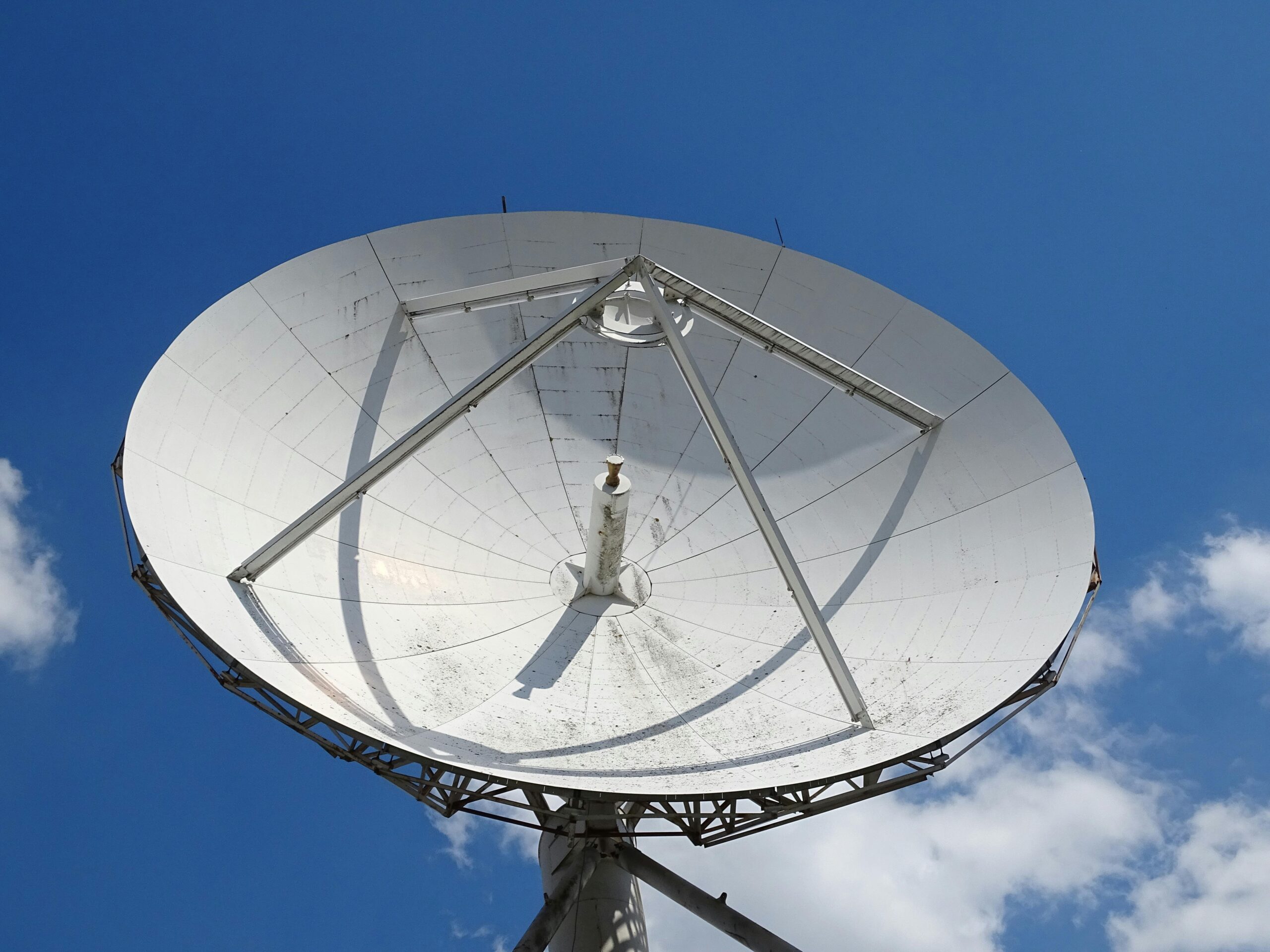
Dialogic has conducted research into the allocation of the 28 GHz band on behalf of the Ministry of Economic Affairs. Currently, the band is used for fixed services (FS) and fixed-satellite services (FSS). There is a growing global demand for this frequency band, particularly from the satellite sector, where new technologies such as low earth orbit satellites and renewed interest in Geostationary satellite systems are causing a resurgence. At the same time, countries like the US, Japan, and South Korea are also using this band for 5G networks. Additionally, fixed services continue to play a significant role in the Netherlands, despite extensive fibre optic network deployment. This raises the question: What are the effects of changing the allocation of the 28 GHz band in the Netherlands, so that the entire band can primarily be used for satellite ground stations for fixed earth-to-space communication?
Based on an extensive literature review, a study of different countries, and interviews with stakeholders, we conclude that the effects of making or not making changes in the allocation of the 28 GHz band are marginal. While the allocation enables satellite operators to achieve more capacity, the added value for the Netherlands is marginal. The impact on microwave links is also limited, especially because microwave links in the 28 GHz band are relatively rare, the locations are unlikely to frequently coincide with those of satellite ground stations, and there are several possible solutions in cases where interference occurs. For mobile networks, if deployment of millimetre wave spectrum takes place, it will initially happen in the 26 GHz band in the Netherlands.
Given the findings, a possible policy approach could be to grant FSS (satellite) at least a (co)primary status for the short term (at least the next 5 years) with protection of existing usage. If in the future there is a substantial need arising from mobile networks and/or fixed services, policymakers could, if necessary (and in line with current harmonisation decisions and regulations), reduce the (co)primary bandwidth for FSS.