The text on this page was automatically translated and hence may differ from the original. No rights can be derived from this translation.
In recent years, online fraud has become an increasingly important issue for businesses. Recent research showed that in 2023/24, 69% of companies had experienced attempts of online fraud. Victims of online corporate fraud can suffer financial loss, reputational damage, and/or an increase in business costs. Understanding the nature and extent of damage caused by online fraud in the Dutch business community is essential for targeted policy efforts to reduce victimization of businesses and provide appropriate assistance to those that have fallen victim. The current research aims to provide a representative estimate of the nature and extent of the damage that businesses face as a result of online fraud.
Taxonomy
An inventory of data sources revealed that various classification systems for online fraud are being used. This makes it difficult to compare results from different sources. Therefore, the researchers have developed their own classification system (taxonomy) with three levels: the expected gain for the perpetrator, the modus operandi of the perpetrator, and the further elaboration in various forms of fraud.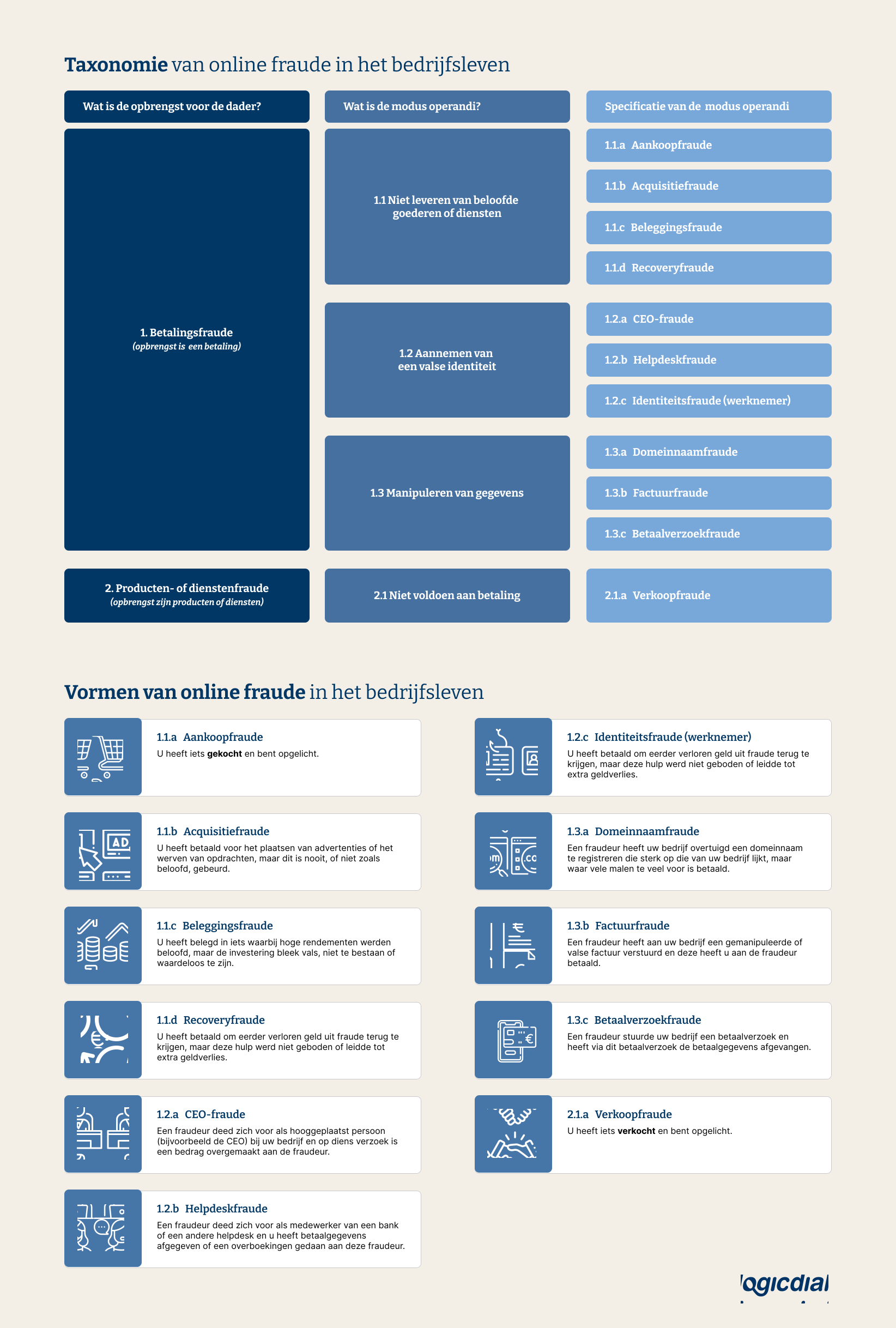
Results
The estimates are based on three data sources: police registrations, reports to the Business Fraud Helpdesk, and a survey of a panel of 600 entrepreneurs by Ipsos I&O. The survey distributed through umbrella organizations resulted in insufficient responses. The outcomes varied widely: the estimated number of fraud incidents ranged from just under 1,700 to nearly 190,000, while the direct financial damage was estimated to be between 14 and 211 million euros. Police registrations lack (reliable) information on the financial damage per incident.Recommendations
To gain better insight into online fraud at businesses, it is important to collect more data in the future and improve the quality of available data. The researchers have made several recommendations:- To the police: at least record whether a reporter is an individual or a business, and what damage the fraud incident has caused. This will provide better visibility of victimization.
- To the organizations managing the data sources: use a common taxonomy for online fraud, for example, the classification proposed in this research. Considering the central role of the Business Fraud Helpdesk, it may be worth considering making them responsible for this.
- To the Business Fraud Helpdesk: consider collecting business characteristics, such as sector and size, in reports. This would enable the development of more targeted policies for the prevention and handling of online fraud.

